
Independent Living
Why Life Skills Matter for Teen Girls Preparing for Independent Living
Graduating from high school is a major milestone, but academic success is only one part of preparing a teenager for adulthood. Young women also need opportunities to practice the everyday skills that allow them to manage responsibilities, solve problems, communicate effectively, and make thoughtful decisions.
For parents, teaching these skills can sometimes feel difficult. A teenager may understand that she needs to budget, keep track of appointments, prepare meals, or find a job, but understanding something and consistently doing it independently are two different things.
That is why life skills for teen girls should be developed gradually through practice, responsibility, and real-world experiences. Skills such as cooking, budgeting, organization, communication, decision-making, and employment preparation can help teens become more capable and confident as they move toward adulthood.
What Are Independent Living Skills for Teens?
Independent living skills are the practical abilities a young person needs to manage everyday responsibilities with increasing independence. They include personal organization, household tasks, financial management, communication, employment, and decision-making.
The goal is not for a teenager to suddenly become fully self-sufficient at age 18. Instead, independent living skills for teens are built over time as young people take on responsibilities appropriate for their age and demonstrate they can manage them.
The Child Welfare Information Gateway recognizes life-skills training, education, employment preparation, and other supports as important components of helping young people transition toward adulthood.
Parents can ask practical readiness questions such as:
- Can she manage a basic budget?
- Can she prepare simple, nutritious meals?
- Can she organize her schedule and responsibilities?
- Can she communicate appropriately with teachers, employers, roommates, and other adults?
- Can she evaluate options and make reasonable decisions?
- Does she understand basic workplace expectations?
- Can she advocate for herself when she needs help?
These are practical abilities that become increasingly important as a teenager moves into college, vocational training, employment, or independent living.
Why Life Skills Education Matters During Adolescence
Adolescence is a period of increasing responsibility. Teenagers are expected to make more decisions for themselves while adults are still available to provide guidance and structure.
This makes the teen years an ideal time for life skills education. Instead of waiting until a young woman leaves home to learn money management or meal preparation, families can provide opportunities to practice while support is still available.
The U.S. Department of Education emphasizes the importance of transition planning that prepares students for life after high school, including education, employment, and independent living. Transition services can include instruction in life skills, career readiness, community access, and workplace preparation.
The process works best when teenagers are given opportunities to practice skills rather than simply being told what they should know.
Practice Builds More Than Knowledge
Consider budgeting. A teenager can read an article about creating a budget, but actually planning a grocery trip with a set amount of money requires her to compare prices, prioritize needs, make choices, and adjust when something costs more than expected.
The same principle applies to cooking, organization, communication, and employment. Repeated practice gives teens opportunities to make mistakes, learn from them, and try again.
Over time, those experiences can help turn abstract advice into usable skills.
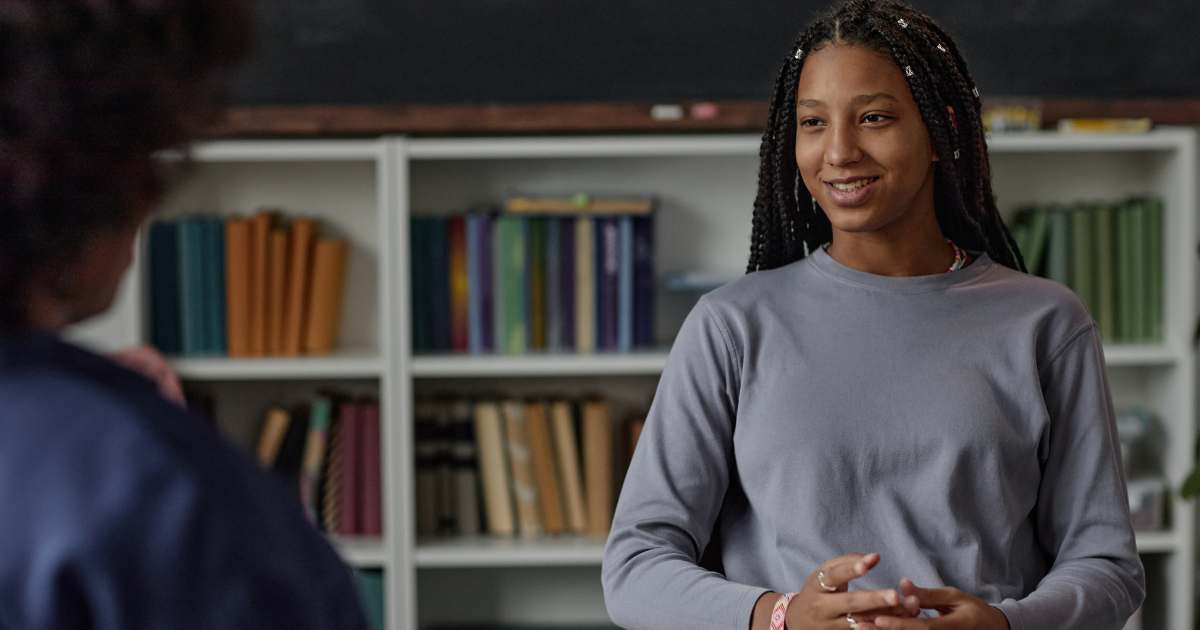
6 Essential Life Skills for Teen Girls
There is no single checklist every teenager must master at the same age. However, these six categories can provide a strong foundation for adulthood.
1. Budgeting and Money Management
Financial responsibility is one of the most practical areas of independence.
Teenagers can begin learning how to:
- Create a simple monthly budget
- Distinguish needs from wants
- Track spending
- Save for short-term goals
- Compare prices before purchasing
- Understand basic banking
- Plan for recurring expenses
- Make thoughtful purchasing decisions
Parents can make financial education more practical by involving their daughters in everyday decisions. For example, give a teenager a specific grocery budget and allow her to plan a meal and shop within that amount.
The objective is not to expect a teenager to understand every aspect of personal finance. It is to give her repeated opportunities to practice responsible choices before she is managing larger expenses on her own.
2. Cooking and Household Responsibilities
Being able to prepare food and care for a living space are basic forms of independence.
Young women should gradually have opportunities to learn skills such as:
- Preparing several simple meals
- Following a recipe
- Grocery shopping
- Understanding basic food safety
- Doing laundry
- Cleaning and organizing personal spaces
- Managing household supplies
- Creating simple routines for recurring chores
These responsibilities also teach planning and follow-through. A teenager who learns to plan meals, make a grocery list, prepare food, and clean up afterward is practicing several connected skills at once.
Trailhead Girls Academy specifically identifies cooking, budgeting, laundry, personal finances, and other practical responsibilities as examples of independent living skills.
3. Organization and Time Management
Independence requires more than knowing what needs to be done. A young woman also needs to manage when and how those responsibilities get completed.
Useful organization skills include:
- Maintaining a calendar
- Setting reminders
- Prioritizing tasks
- Preparing for appointments
- Managing school and work schedules
- Keeping track of deadlines
- Breaking large tasks into smaller steps
- Maintaining an organized personal space
Parents can support this development by gradually transferring responsibility. Instead of reminding a daughter about every appointment or deadline, encourage her to use a calendar and take ownership of her schedule.
The goal is to move from "Mom reminded me" to "I knew what needed to happen, and I handled it."
4. Communication and Relationship Skills
Independence does not mean doing everything alone. Young adults need to know how to communicate with the people around them and ask for assistance when necessary.
Communication skills can include:
- Expressing needs respectfully
- Listening to other people's perspectives
- Handling disagreements
- Asking questions
- Setting appropriate boundaries
- Communicating with teachers and employers
- Accepting constructive feedback
- Asking for help when something is unclear
These skills matter in virtually every area of adult life. A young woman may have excellent academic abilities, but she still needs to communicate effectively with a supervisor, roommate, professor, landlord, or service provider.
Developing healthy communication can also contribute to confidence because teenagers learn that they can address problems rather than automatically depending on someone else to solve them.
5. Decision-Making and Problem-Solving
Teen independence skills also involve learning how to make decisions and deal with the consequences of those decisions.
Parents can teach a simple process:
- Identify the problem.
- Consider the available options.
- Think about possible consequences.
- Choose an option.
- Evaluate what happened.
- Adjust the approach if necessary.
Not every decision will be perfect. In fact, mistakes can become valuable learning opportunities when the situation is safe enough to allow a teenager to reflect and try again.
A structured environment can provide opportunities for teenagers to make choices while still having adults available to provide guidance and accountability. Trailhead Girls Academy describes its approach as including real-life choices, accountability, natural consequences, monitored independence, and life-skills practice.
6. Employment and Career Preparation
Preparing teens for adulthood should include preparation for work.
Career readiness skills include:
- Creating a basic resume
- Searching for appropriate job opportunities
- Completing applications
- Preparing for interviews
- Arriving on time
- Following workplace instructions
- Communicating professionally
- Working cooperatively with others
- Managing responsibilities without constant reminders
Career preparation also gives teenagers opportunities to identify their interests and strengths.
The U.S. Department of Education's Institute of Education Sciences identifies communication, teamwork, critical thinking, creativity, work ethic, and time management among broader employability skills that can help students transition into and succeed in the workplace.
For some young women, career exploration may also include vocational training or certifications. Trailhead Girls Academy offers vocational course options alongside its academic program, including CNA, CPR, and Pharmacy Tech opportunities.

Life Skills Can Build Confidence Through Experience
Confidence does not have to mean believing you can handle everything perfectly. A healthier form of confidence comes from knowing that you can learn, adapt, solve problems, and ask for help when necessary.
That is one reason young women's life skills programs can be valuable. Completing real responsibilities gives teenagers evidence that they are capable.
For example, a teenager who successfully plans and cooks dinner has accomplished more than preparing a meal. She has practiced planning, budgeting, following directions, time management, responsibility, and problem-solving.
The same pattern applies when she manages her laundry, completes a job application, navigates an unfamiliar situation, or resolves a disagreement appropriately.
Small successes can become building blocks for greater independence over time.
How Parents Can Encourage Teen Independence Skills at Home
Parents do not need to create a formal curriculum to begin teaching life skills. Many opportunities are already part of everyday family life.
Families can gradually transfer responsibilities such as:
- Planning one family meal each week
- Managing a personal spending budget
- Making and keeping appointments
- Doing laundry independently
- Maintaining a personal calendar
- Planning transportation
- Comparing prices while shopping
- Preparing for a job interview
- Completing appropriate applications independently
- Solving routine problems before asking an adult to step in
The key is to provide enough support for the teenager to succeed without automatically taking over.
If she makes a mistake, consider asking, "What could you do differently next time?" rather than immediately fixing the problem. That approach allows her to practice problem-solving and ownership.
Why Structure Can Help Some Teens Learn Independence
Not every teenager develops independence at the same pace. Some young women need more structure, repetition, accountability, or hands-on practice before they are comfortable managing responsibilities on their own.
This can be particularly relevant for parents whose daughters have struggled academically, socially, emotionally, or with major transitions.
A structured educational environment can provide consistent opportunities to practice life skills while adults remain available to provide guidance.
At Trailhead Girls Academy, life-skills development is incorporated alongside academics, vocational opportunities, social experiences, and monitored independence. The school's stated mission includes helping students develop life skills, healthy relationships, employable skills, and confidence for independent adult life.

Preparing Teens for Adulthood Is a Gradual Process
A teenager does not need every adult skill mastered before graduation. A better goal is helping her develop the ability to learn and apply new skills as responsibilities increase.
That progression may include managing a small budget at 15, preparing regular meals at 16, and gaining workplace experience at 17 while taking increasing ownership of appointments, transportation, and planning.
Transition planning should be based on a student's individual strengths, interests, and needs. Federal guidance on postsecondary transition similarly emphasizes coordinated preparation for education, employment, independent living, and community participation.
For parents, the question is not simply, "Does my daughter know how to do this?" A better question may be, "Has she had enough opportunities to practice doing this independently?"
Helping Your Daughter Build a Foundation for Independence
Life skills are not separate from education. They are part of preparing a young woman to use what she has learned in real-world situations.
Budgeting teaches responsibility. Cooking teaches planning. Organization teaches follow-through. Communication teaches self-advocacy. Decision-making teaches accountability. Employment preparation helps connect education with future opportunities.
Together, these experiences can help teenagers approach adulthood with greater capability and confidence.
If your daughter would benefit from a structured environment where academics are combined with real-world life-skills practice, learn more about Trailhead Girls Academy and the opportunities available to students. You can also contact the admissions team to discuss your daughter's needs and determine whether the program may be a good fit for your family.