
Personal Growth
Life Skills That Help Girls with Attachment Challenges Thrive
When a teenage girl struggles with attachment challenges, everyday situations can feel overwhelming for both the teen and her family. Difficulties with trust, emotional regulation, communication, and healthy relationships often affect school performance, friendships, and family life.
While every child's experience is unique, one thing remains consistent: developing practical life skills can help girls build confidence, independence, and healthier relationships over time.
At Trailhead Girls Academy, we believe lasting growth happens when academic learning is combined with opportunities to practice responsibility, problem-solving, and healthy decision-making in a structured, supportive environment.
Understanding Attachment Challenges in Teen Girls
Attachment challenges often develop after experiences that disrupt a child's sense of safety, consistency, or trust. These experiences can influence how a teenager relates to parents, teachers, peers, and other trusted adults.
Girls experiencing attachment challenges may struggle with:
- Trusting authority figures
- Managing emotions during stressful situations
- Building healthy friendships
- Accepting responsibility for their actions
- Maintaining consistent routines
- Communicating their needs effectively
- Solving problems independently
These challenges do not define a young person's future. With consistent support, healthy relationships, and opportunities to practice important life skills, many teens develop stronger emotional regulation, improved self-confidence, and healthier relationships.
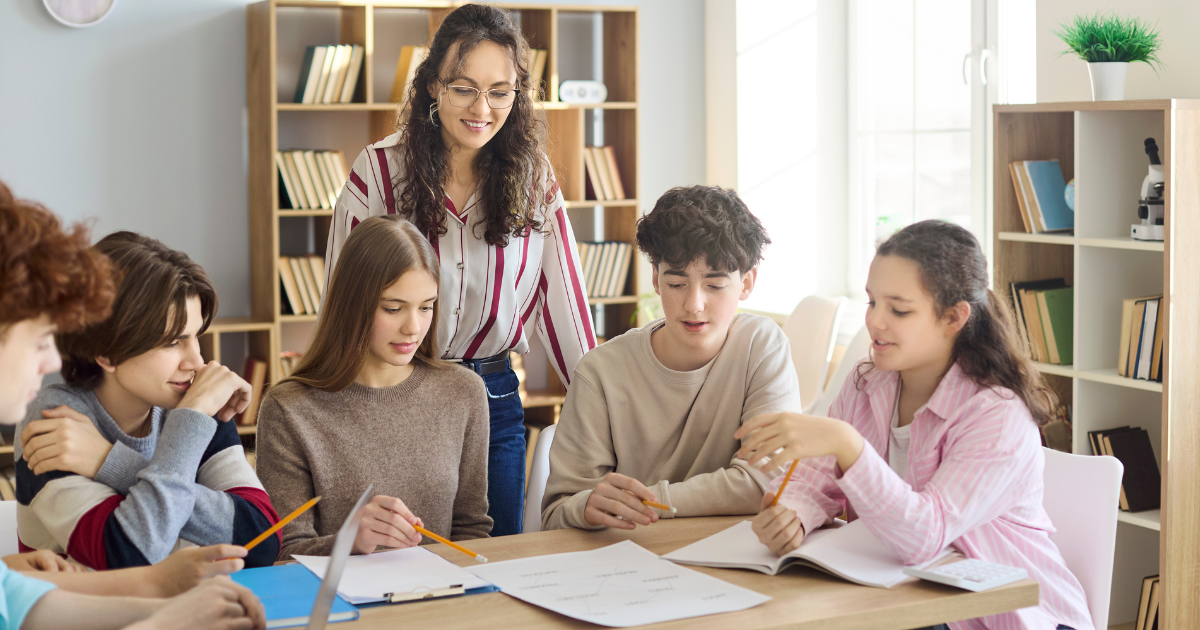
Why Life Skills Matter
Parents often focus on academic success, but practical life skills are equally important. Learning how to manage responsibilities, communicate effectively, and solve everyday problems prepares teenagers for adulthood while increasing confidence.
Research from SAMHSA and the Child Welfare Information Gateway emphasizes that stable relationships, predictable environments, and opportunities to develop competence all contribute to positive youth development.
For girls with attachment challenges, mastering practical skills provides something incredibly valuable: evidence that they are capable.
Independent Living Skills Build Confidence
One of the greatest benefits of a residential program for teen girls is the opportunity to practice real-world responsibilities in a structured setting.
Time Management
Learning to manage schedules teaches responsibility and reduces anxiety caused by disorganization.
- Using planners
- Prioritizing tasks
- Meeting deadlines
- Following daily routines
Personal Responsibility
Responsibility develops through daily practice, not lectures.
- Completing assigned responsibilities
- Caring for personal belongings
- Maintaining organized living spaces
- Following through on commitments
- Accepting natural consequences
Financial Basics
Understanding money management prepares teens for adulthood.
- Creating a simple budget
- Saving toward goals
- Understanding spending choices
- Planning purchases responsibly

Healthy Coping Skills for Teens
Emotional regulation is a skill that can be learned. Instead of reacting impulsively during stressful situations, teens can develop coping strategies that encourage thoughtful responses.
- Journaling
- Deep breathing exercises
- Physical activity
- Creative arts
- Spending time outdoors
- Talking with trusted adults
- Practicing mindfulness
- Setting achievable goals
Over time, these healthy habits help teens recognize strong emotions without becoming overwhelmed by them.
Building Healthy Relationships
Relationships are learned through experience. Many girls with attachment challenges benefit from environments where positive interactions are modeled consistently.
- Active listening
- Respectful communication
- Conflict resolution
- Empathy
- Appropriate boundaries
- Cooperation and accountability
The Power of Routine
Predictability creates stability and reduces unnecessary stress.
- Regular wake-up times
- Academic instruction
- Physical activity
- Chores and responsibilities
- Study time and healthy meals
- Consistent bedtime routines
Can Life Skills Improve Confidence in Teens?
Absolutely.
Confidence rarely develops through praise alone. Instead, confidence grows when teenagers repeatedly accomplish meaningful tasks. Each success teaches an important lesson: "I can do hard things."
Whether learning to cook a meal, completing a challenging assignment, resolving a disagreement respectfully, or managing daily responsibilities, every accomplishment strengthens self-belief.

Communication Skills Matter
Effective communication reduces misunderstandings and strengthens relationships.
- Expressing feelings respectfully
- Asking for help
- Listening without interrupting
- Solving disagreements calmly
- Understanding different perspectives
Executive Function Skills
Executive functioning includes the mental skills needed to plan, organize, remember, and complete tasks.
- Planning ahead
- Organization
- Self-control
- Working memory
- Flexible thinking
- Goal setting and task completion
Encouraging Emotional Resilience
Resilience does not mean avoiding challenges. It means learning how to recover from them.
Parents can encourage resilience by helping teens:
- Learn from mistakes
- Celebrate progress
- Set realistic goals
- Build healthy routines
- Practice perseverance
- Develop problem-solving skills
- Maintain supportive relationships
How Residential Programs Support Growth
For some families, a residential program for teen girls provides an environment where structure, academics, life skills, and mentorship work together. Students can practice responsibility daily instead of only discussing it.
- Consistent daily routines
- Academic support
- Leadership opportunities
- Structured responsibilities
- Positive peer interactions
- Mentorship from caring adults
- Opportunities to build independent living skills
Why Parents Play an Important Role
Parents remain one of the most influential parts of a teenager's growth.
- Encouraging age-appropriate responsibilities
- Allowing natural consequences
- Celebrating progress rather than perfection
- Maintaining consistent expectations
- Modeling healthy communication
- Encouragement through setbacks
Growth happens gradually. Every small success builds toward greater independence.
Frequently Asked Questions
What are independent living skills?
Independent living skills include everyday abilities such as time management, personal responsibility, organization, budgeting, communication, meal preparation, and problem-solving that prepare teens for adulthood.
Why are healthy coping skills important for teens?
Healthy coping skills help teenagers manage stress, regulate emotions, and respond to challenges in constructive ways instead of reacting impulsively.
Can life skills improve confidence in teens?
Yes. Confidence grows when teenagers repeatedly experience success through accomplishing meaningful responsibilities and overcoming everyday challenges.
How does structure help girls with attachment challenges?
Consistent routines reduce uncertainty, establish clear expectations, and create repeated opportunities for success, helping girls develop trust, responsibility, and emotional stability.
What should parents look for in a residential program for teen girls?
Parents should seek a program that combines academics, structured routines, life skills development, caring adult mentorship, family involvement, and opportunities for personal growth.
Helping Girls Build a Strong Foundation for the Future
Every teenage girl deserves opportunities to discover her strengths and build the confidence needed for adulthood. While attachment challenges can create obstacles, they do not determine a young person's future.
Through consistent relationships, practical life skills, healthy coping strategies, and structured support, girls can develop greater independence, stronger communication skills, and the resilience needed to navigate life's challenges.
At Trailhead Girls Academy, students are encouraged to grow academically, socially, and personally through meaningful experiences that prepare them for life beyond the classroom.
Additional Information
- Substance Abuse and Mental Health Services Administration (SAMHSA): Trauma-Informed Care and Behavioral Health Resources.
- Child Welfare Information Gateway: Understanding the Effects of Trauma and Promoting Healthy Development.
- Collaborative for Academic, Social, and Emotional Learning (CASEL): Framework for Social and Emotional Learning.
- Trailhead Girls Academy: Information about the academy's mission, educational approach, and student development philosophy.
Need Support for Your Daughter's Next Step?
Learn how Trailhead Girls Academy combines structure, academics, and life-skill development to help girls build confidence and independence.